
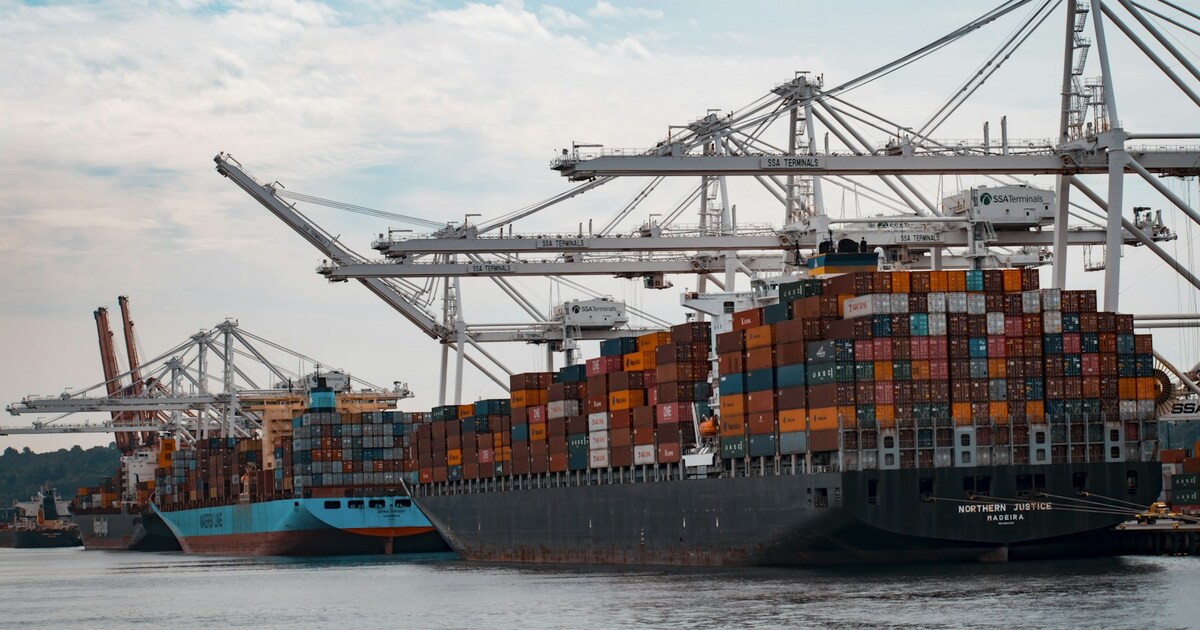
Selling into Singapore from Malaysia is one of the most accessible cross-border moves in Southeast Asia. The two countries share a land border, use English as a business language, and run on efficient logistics infrastructure. But legal and tax rules differ more than the geography suggests.
This guide explains exactly what a Malaysian ecommerce seller needs to do — legally, logistically, and tax-wise — to sell into Singapore, whether through cross-border marketplace programmes or by establishing a Singapore presence.
What Does Cross-Border Ecommerce Between Malaysia and Singapore Actually Involve?
Cross-border ecommerce is selling goods online to customers in another country without necessarily operating a business entity there. For a Malaysian seller targeting Singapore, this typically means listing products on Shopee, Lazada, or your own website and shipping parcels into Singapore from a Malaysian warehouse or fulfilment point.
The legal complexity depends on two factors: your revenue scale and how you want to appear to Singapore customers. Small sellers can operate entirely through cross-border marketplace programmes. Larger operations — or those wanting a Singapore-branded storefront — need to think through GST registration, Singapore entity setup, and data transfer rules.
Two parallel legal frameworks apply simultaneously. In Malaysia, you need a valid SSM registration and must understand when your SST obligations are triggered. In Singapore, you must comply with ACRA requirements if you establish an entity there, and IRAS GST rules if your sales volume exceeds specific thresholds. Add customs regulations, prohibited product categories, and data privacy rules and the picture gets complex fast.
The good news: for most Malaysian sellers at the RM 500K–RM 2M revenue range, the compliance path is manageable. You do not need a Singapore company, a Singapore lawyer, or a Singapore accountant to start selling there legally.
What Are Your Malaysian Registration Obligations Before Going Cross-Border?
Your Malaysian business must be properly registered before you can expand internationally.
Under Malaysia’s Registration of Businesses Act 1956, any person carrying on business must register with SSM (Suruhanjaya Syarikat Malaysia) . This applies regardless of whether you sell domestically or export. Exporting goods does not remove the requirement — it adds to it.
For sole proprietors, SSM registration through the ezbiz portal costs RM 30–60 and takes under a day. If you are already registered, confirm your business activity includes export or wholesale trade. If your current MSIC code only covers domestic retail (47913), consider adding an export activity code. See our SSM registration guide for the full process.
The structure you choose in Malaysia also matters for cross-border operations. A sole proprietorship is fine for early-stage cross-border sales. If you plan to invoice Singapore-based B2B buyers, hold inventory in Singapore, or eventually incorporate a Singapore entity, a Sdn Bhd (private limited company) provides cleaner financial separation, better credibility with Singapore counterparties, and simpler accounting for multi-currency transactions.
For SST obligations in Malaysia, the trigger is annual taxable revenue above RM 500,000. If you are approaching that threshold — including from Singapore sales — read our SST guide for ecommerce sellers in Malaysia before registering for cross-border operations.
How Do Singapore Customs and Import Rules Affect Your Shipments?
Singapore is one of the world’s most trade-friendly countries. Most goods enter with minimal customs friction — but knowing the framework prevents costly surprises.
ASEAN Form D and ATIGA duty rates. Under the ASEAN Trade in Goods Agreement (ATIGA), goods with sufficient Malaysian origin qualify for 0% import duty into Singapore when accompanied by an ASEAN Form D Certificate of Origin. You obtain Form D from MATRADE or from the relevant industry body for your product category. Without Form D, Singapore’s Most Favoured Nation (MFN) tariff rates apply — which are already 0% for most manufactured goods, so Form D matters mainly for specific product categories.
Import GST. This is the main cost, not customs duty. Singapore charges 9% GST on all imports (IRAS, 2024 ). For B2C shipments, the buyer typically pays import GST at the point of entry. For marketplace shipments using Shopee or Lazada cross-border programmes, the marketplace usually handles GST collection on your behalf.
De minimis — it is gone. Before 1 January 2023, goods valued under SGD 400 entered Singapore exempt from import GST. That exemption was removed. All goods now incur 9% GST regardless of value (Singapore Customs, 2023 ). This is a significant change that affects small-parcel cross-border sellers.
Prohibited and controlled items. Singapore has specific import restrictions that Malaysian sellers often overlook:
- Prohibited (cannot ship at all): chewing gum (except dental/medical use), e-cigarettes, vaporisers, shisha tobacco, dangerous fireworks
- Requires Health Sciences Authority (HSA) approval: cosmetics, skincare, health supplements, medical devices, certain vitamins
- Requires Singapore Food Agency (SFA) clearance: all food and beverages, including packaged snacks
- Requires importer permit via TradeNet: certain chemicals, textiles over specified volumes, controlled goods
Check Singapore Customs’ TradeNet and the relevant agency portal before adding any new product category to your Singapore listings. Non-compliance results in seizure, destruction of goods, and possible prosecution — not a warning letter.
What Are the Two Paths for Selling on Shopee SG and Lazada SG?
Marketplace platforms are the most common route for Malaysian sellers entering Singapore. Each major platform offers two distinct access modes with different legal and operational requirements.
Path 1: Cross-border programme (sell from Malaysia)
Both Shopee and Lazada offer cross-border seller programmes that let Malaysian sellers list on Singapore storefronts without a Singapore entity:
- Shopee Cross-Border (CBL/SIP): Your Malaysian SSM-registered seller account can fulfil Singapore orders from a Malaysian warehouse. Shopee handles Singapore Customs clearance and buyer-side GST. You are paid in MYR. No Singapore company required, no Singapore GST registration needed (Shopee handles this as a marketplace). Eligibility: minimum seller rating, verified Malaysian seller account, products not on Singapore’s prohibited list.
- Lazada LazGlobal: Similar programme allowing MY-based sellers to list on Lazada SG. Lazada handles cross-border logistics and customs. Payment in MYR or SGD depending on your account setup.
This path is simpler but comes with trade-offs: you are visible as a “overseas seller” on the storefront (some buyers prefer local sellers), shipping times are longer (typically 7-14 days vs 1-3 days local), and you have less control over customer experience and returns.
Path 2: Local Singapore seller account (entity required)
To open a local Shopee SG or Lazada SG seller account with a Singapore-origin storefront, you need a Singapore-registered business with a valid UEN (Unique Entity Number) issued by ACRA .
For Malaysian nationals, the options are:
- Incorporate a Singapore Pte Ltd — requires at least one Singapore-resident director (a nominee director service costs SGD 2,000–5,000/year), ACRA registration fee of SGD 315, and ongoing company secretary fees (SGD 300–800/year). Read our ACRA registration guide for the full process.
- Apply for an Employment Pass or EntrePass — allows you to act as a resident director yourself, but requires meeting Ministry of Manpower eligibility criteria and involves processing time of 3–8 weeks.
- Partner with a Singapore resident — if you have a trustworthy Singapore-based partner or co-founder, they can be the resident director.
The local seller path gives you a Singapore-branded storefront, faster delivery times (if you hold SG inventory), eligibility for Shopee and Lazada advertising tools reserved for local sellers, and the ability to participate in Singapore-specific campaigns.
Is cross-border selling growing for Malaysian sellers? Take our free compliance scorecard to see where your cross-border setup stands and what you need to fix before your first Singapore shipment.
Do You Need to Register for Singapore GST?
This is where many Malaysian sellers get caught off-guard. The rules changed significantly in 2023.
Mandatory OVR registration. Under IRAS’s Overseas Vendor Registration (OVR) scheme (effective 1 January 2023), an overseas business must register for Singapore GST if it meets both thresholds in a 12-month period:
- Global annual turnover exceeds SGD 1 million, AND
- Sales of digital services, low-value goods, or remote services to Singapore customers exceeds SGD 100,000
If both apply, you must register with IRAS and charge 9% GST on covered sales to Singapore customers. Registration is through IRAS myTax Portal and takes approximately 2–4 weeks.
What counts as “low-value goods”? Under the OVR scheme, low-value goods are physical goods valued at SGD 400 or less per shipment (not per item) imported into Singapore for personal use or consumption. This covers most consumer products sold by ecommerce businesses — electronics accessories, clothing, cosmetics, home goods, and similar categories.
If you sell through a marketplace. When you sell through Shopee SG or Lazada SG (local accounts), the marketplace is the “deemed supplier” under Singapore’s GST rules. The marketplace collects and remits GST on your behalf. You do not need your own GST registration for those sales. However, if you run your own Singapore-facing website in addition to marketplaces, your direct sales count separately toward the OVR threshold.
If you sell only cross-border through marketplace programmes. If you use Shopee CBL or Lazada LazGlobal (selling from Malaysia), the marketplace typically handles GST compliance. Check your programme agreement to confirm — this is not universal and terms change.
For sellers below the OVR thresholds (global turnover under SGD 1M or Singapore LVG sales under SGD 100K), no Singapore GST registration is required. But keep records. If your Singapore sales are growing, monitor these thresholds quarterly.
For a detailed breakdown of Singapore GST processes, see our GST registration guide for Singapore ecommerce .
What Data Privacy Rules Apply When You Have Singapore Customers?
Customer data is a compliance area many cross-border sellers ignore until they receive a complaint — or worse, a regulatory notice.
Both countries have Personal Data Protection Acts. The Malaysian PDPA 2010 is administered by the Department of Personal Data Protection (JPDP). The Singapore PDPA 2012 is administered by the Personal Data Protection Commission (PDPC). The laws share a common purpose but differ in their consent models, breach notification timelines, and cross-border transfer rules.
What this means for a Malaysian seller with Singapore customers:
When you collect personal data from Singapore customers — names, email addresses, shipping addresses, payment information — Singapore’s PDPA applies to how that data is handled, even if your servers and business are in Malaysia. The PDPC takes jurisdiction based on where the data subject is located, not where the data controller is based.
Practical requirements:
- Consent: You need a clear, specific consent mechanism for data collection. Pre-ticked boxes do not satisfy either PDPA.
- Privacy policy: Your website and marketplace storefronts must display a privacy policy accessible before purchase that explains what data you collect, why, and with whom it is shared.
- Data retention: Both laws require you to retain personal data only as long as necessary for the purpose collected. Define a retention period in your privacy policy.
- Cross-border transfers: If you transfer Singapore customer data to third-party processors (logistics providers, email marketing tools, analytics platforms) outside Singapore, Singapore’s PDPA requires ensuring those processors have comparable data protection standards.
- Breach notification: Singapore’s PDPC requires mandatory breach notification within 3 calendar days for breaches affecting 500 or more Singapore individuals. Malaysia’s JPDP has similar obligations.
For a Malaysian seller using standard ecommerce tools (Shopify, WooCommerce, Mailchimp, DHL) and marketplaces (Shopee, Lazada), these obligations are largely met through provider terms of service — but you still need a compliant privacy policy and proper consent flows on any owned website or email capture form.
Malaysia vs Singapore Cross-Border Compliance: Full Comparison
| Requirement | Malaysia (Seller’s Base) | Singapore (Destination Market) |
|---|---|---|
| Business registration | SSM (ezbiz portal) — RM 30–60 (sole prop) or RM 1,000+ (Sdn Bhd) | ACRA (BizFile+) — SGD 115 (sole prop, SG residents only) or SGD 315 (Pte Ltd) |
| Registration required to sell? | Yes — SSM registration mandatory for all businesses | Only if establishing a SG entity; cross-border programmes don’t require SG ACRA registration |
| Tax registration threshold | SST: RM 500,000/year taxable turnover (Sales Tax 10%, Service Tax 8%) | GST OVR: Global turnover > SGD 1M AND SG LVG sales > SGD 100K (GST 9%) |
| Customs duty | N/A (exporting) | 0% for most goods with ATIGA Form D; near-zero MFN for most manufactured goods; duty applies to tobacco, alcohol, motor vehicles |
| Import GST | N/A (exporting) | 9% on all goods (no de minimis threshold since Jan 2023) |
| Data privacy law | PDPA 2010 (JPDP) — consent-based, cross-border transfer rules | PDPA 2012 (PDPC) — applies to SG customers’ data regardless of seller’s location |
| Breach notification | JPDP notification required for significant breaches | PDPC: mandatory notification within 3 calendar days for breaches affecting 500+ SG individuals |
| Marketplace account | Malaysian SSM registration sufficient for cross-border programmes | Local SG account requires ACRA UEN; cross-border programmes (Shopee CBL, Lazada LazGlobal) available without SG entity |
| Prohibited products | Malaysia export restrictions (strategic goods, certain chemicals) | Chewing gum, e-cigarettes, vapes, certain foods and cosmetics without HSA/SFA approval |
| Currency | MYR (RM) | SGD (S$) |
Frequently Asked Questions
Do I need a Singapore bank account to sell cross-border from Malaysia?
No, not for marketplace cross-border programmes. Shopee CBL and Lazada LazGlobal pay out in MYR to your Malaysian bank account. If you incorporate a Singapore Pte Ltd and open a local seller account, you will need a Singapore business bank account (DBS, OCBC, or UOB — typically requiring SGD 3,000–5,000 minimum balance for business accounts). Some fintech options like Aspire and Airwallex offer Singapore accounts with lower minimums and easier onboarding for foreign-incorporated entities.
How do I get an ASEAN Form D Certificate of Origin for my products?
ASEAN Form D is issued by Malaysian authorities — typically MATRADE for manufactured goods, or the relevant trade body for your product category. You apply online with product information, manufacturing process details, and a bill of materials to demonstrate Malaysian origin. Form D is valid for 12 months and can cover multiple shipments of the same product. The certificate is required at the point of import in Singapore to claim preferential ATIGA duty rates. Processing takes 3–7 business days.
What happens if a Singapore customer files a PDPC complaint against my Malaysian business?
The Singapore PDPC can investigate complaints from Singapore residents about how their personal data was handled, regardless of whether the data controller is based in Singapore. If a complaint is upheld, penalties under Singapore’s PDPA can reach SGD 1 million or 10% of annual Singapore turnover (whichever is higher), for serious breaches. For most small sellers, a complaint results in a warning and a remediation order first. Maintain a clear privacy policy, honoured opt-outs, and documented consent records to reduce exposure.
Keep Reading
- SSM Registration for Online Business in Malaysia
- ACRA Business Registration for Ecommerce in Singapore
- SST for Ecommerce Sellers in Malaysia
This guide covers general information about cross-border ecommerce legal requirements between Malaysia and Singapore. Regulations, tax rates, and thresholds change. Verify current requirements at SSM , ACRA , IRAS , Singapore Customs , and MATRADE before making compliance decisions. For complex cross-border structures, consult a licensed company secretary or cross-border tax advisor. Last verified: April 2026.